As a future OT practitioner, it is important that I know and understand locus of control. After completing the worksheet and totaling the points, I am located closer to the internal locus of control continuum side. What this means is that I am able to be positive, yet realistic about what I can and cannot control. I may not be able to control external factors, so for that I do not worry, and in turn I am able to make an internal decision about how I handle and respond to challenging events or "bumps in the road." Also, I believe the type of effort and work I put into something will result in a good or bad outcome. If I only partake in a task half-heartedly, then the outcome will reflect that by being a negative response or seen as a fail. However, if I give my best effort and have a hard work ethic, then the results will present such outcomes that are successful and positive.
Understanding and knowing the importance of locus of control will influence and impact how I approach work everyday personally, as well as when collaborating and interacting with future clients and their caregivers as a clinician. If I portray an internal locus of control that is built on, "I can recover from setbacks," or "I can make things happen," then this could potentially influence or help a client who may have had a stroke or orthopedic injury, for example, think and say the same expressions because of how I represented locus of control. If the client exudes an attitude and approach that is positive, and controlling what they can, then progress and improvements can be made due to how they responded to their challenges and present circumstances. Putting my best foot forward as a clinician can potentially result in my future clients putting their best foot forward, too. How we approach everyday life and the barriers and challenges it can present, is how life is going to go. We can only control so much, so what we can control, take what you can get, make an effective internal decision on how to respond, and use it as an advantage.
Monday, July 27, 2020

A Glyph on Leadership
Instructions:
Glyph Key for Drawing A
Self-Portrait of a Leader
Face Shape: If you believe that leadership is an inborn trait,
draw a triangle-shaped head. If you
think that leadership stems from nurture over nature, draw a square-shaped
head.
Eyes: If you think the vast majority of OTs are leaders, make
big circles for the eyes. If you think
there is a fairly equal mixture of leaders and non-leaders in the field of OT,
draw small circles for the eyes. Fill in the pupils. Add glasses if you feel that you have had more experience in leadership roles than
most other people your age at this point in life.
Eyelashes: Draw one eyelash on each of the eyes for each of the
five themes you can name based on your personal Clifton StrengthsFinder
assessment from earlier in the curriculum.
Eyebrows: If you like to take the role of the leader in an
out-in-front way, make curved eyebrows.
If your leadership style is more behind the scenes, make pointy
eyebrows.
Nose: Draw a triangle nose if you think that seeing yourself as
a leader is necessary to being a leader.
Draw a rounded nose if you believe that a person can be a leader without
seeing himself or herself as a leader.
Skin: Add a freckle
anywhere on the skin of the face if you believe that self-awareness is vital to
effective leadership. Leave the skin
clear if you don’t think it’s an essential trait.
Mouth: Draw a smiling mouth if you can think of at least one
leader who has had a positive impact on you.
Draw a frown if you can’t think of a good example of a leader.
Ears: Draw round ears if you think technology is an important
part of effective leadership in many situations. Draw pointy ears if don’t
think so.
Hair: Draw the hair based on a continuum, based on your
personal viewpoint in two areas:
What’s more important
in leadership: Curly
hair <-------------------------> Straight hair
creativity or organization?
Creativity <--------------------------> Organization
AND
Can an introvert be an
effective leader? Short hair
<-------------------------> Long hair
No way
<------ I’m unsure -----> Definitely yes
Accessories: Add at least one accessory (example: a piece of
jewelry) if you see yourself as a leader.
Add a hat if the way you think about or approach leadership has changed
as a result of what you have learned since beginning in OT school.
Finishing Touch: Label your paper with your name, writing in
cursive if you have a written plan or goal about to serving in leadership roles
in the future; write in print if you do not yet have a written plan.
My drawing:

Self-reflection:
My perspective has changed since I started OT school in regards to leadership and the items listed within the instructions provided. My eyebrows are pointy instead of being in between and my eyes are bigger. Also, my hair is longer and there is a mixture between straight. In addition, my nose is rounded instead of being a triangle. Finally, something that was added that wasn't there the first time I did this activity, was a freckle and an accessory. With all these changes in perspectives, I have learned that leadership encompasses many traits, opportunities, styles and approaches. Anyone and everyone can be a leader. We all have something to offer and contribute to the OT profession and the healthcare professional workforce. Each person may lead differently and uniquely, however as long as it is genuine, effective, and successful, then that is a win in my book.
Wednesday, November 13, 2019
Peds SIM Encounter
I believe the SIM encounter went well and was a great learning opportunity. I felt competent in what I was saying and that I was empathetic. I thought it flowed well and that I hit all the components I needed to. If I were to do it again, something I would change is slowing down just a little bit when explaining certain aspects throughout the encounter, as well using more layman's terms. Some examples that show caring through communication is being able to clarify and paraphrase what the client/caregiver expresses and says. This shows that you are actively listening and being receptive, which relays compassion and empathy. Another example is letting the client/caregiver know you are there for their support by taking into account their needs and concerns and being an advocate and encouragement to them. Also, just nonverbal communication with body language, facial expressions, being engaged, and eye contact is really important to show an attitude of caring. From what I have learned from this SIM encounter that can be incorporated in future experiences, is the empathy that needs to be shown when interacting with a client/caregiver. Also, being able to interpret and explain results, diagnoses, and recommendations in a way that is understanding is important.
Monday, August 26, 2019
Media Project
Media Project Sign:

Innovation:


 Materials to the game:

Reflection "Innovator's Statement":
For this media project, the ah-ha moment for me was when I was able to finally tie in the client's challenges from the diagnosis to what I was going to work on in the intervention to not only motivate the client, but also to make sure we were reaching their goals. I really enjoyed having to think outside the box and come up with something creative to be used as an intervention. That is what is so awesome about this profession. Occupational therapists are able to be creative and adapt to situations in order to optimize the engagement and performance of someone who is having difficulty with everyday tasks and bringing purpose back to their life.
Having the background knowledge before this assignment really helped to brainstorm ideas about interventions, as well as knowing what types of barriers and symptoms a person could have with a particular diagnosis. This assignment was very beneficial in bringing in a clinical reasoning aspect in order to come up with an intervention and innovation that was the "just-right" challenge. As for the future, this project helped to get experience with how it is going to be in the workplace and having to think about ways to motivate a client, meeting their wants and needs, and having a treatment plan as a means and as an end. This was definitely one of my favorite projects or assignments I have done so far. It allowed me to really be in an "OT think" mindset and type perspective in order to come up with the best plan to help a client become more independent. This was a really fun project and helped me grow further as student!

Innovation:


Reflection "Innovator's Statement":
For this media project, the ah-ha moment for me was when I was able to finally tie in the client's challenges from the diagnosis to what I was going to work on in the intervention to not only motivate the client, but also to make sure we were reaching their goals. I really enjoyed having to think outside the box and come up with something creative to be used as an intervention. That is what is so awesome about this profession. Occupational therapists are able to be creative and adapt to situations in order to optimize the engagement and performance of someone who is having difficulty with everyday tasks and bringing purpose back to their life.
Having the background knowledge before this assignment really helped to brainstorm ideas about interventions, as well as knowing what types of barriers and symptoms a person could have with a particular diagnosis. This assignment was very beneficial in bringing in a clinical reasoning aspect in order to come up with an intervention and innovation that was the "just-right" challenge. As for the future, this project helped to get experience with how it is going to be in the workplace and having to think about ways to motivate a client, meeting their wants and needs, and having a treatment plan as a means and as an end. This was definitely one of my favorite projects or assignments I have done so far. It allowed me to really be in an "OT think" mindset and type perspective in order to come up with the best plan to help a client become more independent. This was a really fun project and helped me grow further as student!
Sunday, August 25, 2019
Neuro Note #4 CVA
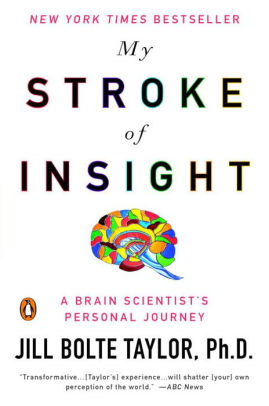
For the last neuro note, I watched a TED Talk about a lady who is a brain scientist, advocate for National Alliance on Mental Illness (NAMI) and researcher. She started her career because of her brother having schizophrenia and became interested in researching severe mental illnesses. With that being said, what are the odds that something happens to her own brain? Well in this TED talk titled "My Stoke of Insight," Dr. Jill Bolte Taylor shares her story about her own experience recovering from a stroke and the journey throughout having the stroke. She was able to watch her own brain and do the research and studying on herself. She experienced a hemorrhagic stroke in 1996 and it took away her ability to speak, walk, think, and memory. The stroke brought damage to the left side of her brain, with early signs being pain behind her left eye, her gait slowed down and became rigid, being able to receive and express language became difficult and her right arm became paralyzed. She discussed in the video the differences that each hemisphere has in regards to how we function physically, emotionally and mentally, as well as our motor and sensory skills. It has taken her 8 years to fully recover from her symptoms that occurred from the stroke. The way she told her story was so engaging and the perspective from a very own neuroanatomist was very neat. She was lucky to live because these types of strokes can be fatal. What was told in this video correlated well with what we learned in class about strokes. It is a form of an acquired brain injury and further classified as a non-traumatic brain injury. Also the symptoms that Jill described coincide with symptoms of a stroke. I really enjoyed how she described the sides of the brain in her own terms and feelings. It brought a different meaning to how the brain regulates and works. I am glad I chose this particular TED talk. She was a joy to listen to and it was cool to hear her story and "insight" on a stroke. Lastly,, she has written a book about this experience and a picture of it is provided below.
Here is the link to access Taylor's TED talk:
https://www.ted.com/talks/jill_bolte_taylor_s_powerful_stroke_of_insight
Reference:
Here is the link to access Taylor's TED talk:
https://www.ted.com/talks/jill_bolte_taylor_s_powerful_stroke_of_insight
Reference:
Taylor,
J. B. (2008, February). Retrieved August 13, 2019, from
https://www.ted.com/talks/jill_bolte_taylor_s_powerful_stroke_of_insight
Sunday, August 11, 2019
Neuro Note #3 ABI
For this neuro note, I watched a movie called "Brain on Fire" that was based on a true story about a young woman who experienced a rare autoimmune disease and had encephalitis. When Susannah was 21 she was working at the New York Post and she started experiencing weird symptoms. The doctors could not figure out what was going on. She was seeming to have episodes of schizophrenia (catatonic, hallucinations), bipolar disorder, seizures, fatigue, memory loss, coughing, numbness on the left side of her body, headaches and dizziness. After spending lots of time trying to diagnose Susannah, a doctor by the name of Dr. Najjar finally asked her to draw a clock and everything that Susannah wrote down was on the right side. This signaled a red flag that the right side of her brain was affected so the left side of her body was not functioning correctly. Come to find out her brain was inflamed and was causing all these symptoms. I found this story to be intriguing because it shows how much the brain can be affected by a non-TBI. It also showed what type of tests can be done like a MRI, EEG, neurological exam, and a simple cognitive test like drawing a clock to help diagnose someone with a neurological disorder. Also, having to go through all those tests, and spending a month in the hospital can take a toll on someone. This story shows how complex the brain is and how something like an inflammation can cause such odd and crazy symptoms. It also gave a depiction of how ADLs were affected, especially her job, hygiene, bathing and grooming . I also learned that this rare disease is called anti-NMDA receptor encephalitis and was only discovered 3 years before Susannah became ill. Lastly, since this disease has been discovered and diagnosed, there is a better understanding of the symptoms and how to properly diagnose and treat this specific neurological disease. I think it is great that people are willing to tell their stories and help educate on diseases that are rare. It gives opportunities for cures, support, treatment, and a hope for advancing medicine.

Here is the book that Susannah published about her story that this film was based off of:

Reference:
Cahalan,
S., & Theron, C. (2018, June 22). Brain on Fire. Retrieved August 11, 2019,
from
https://www.netflix.com/watch/80128245?trackId=13752289&tctx=0,0,03e7cdfd85f8229941edae282b1e623836d7fbbb:c4ec2d0b385d11b968e419843174d79c581560a9
Friday, August 9, 2019
Neuro Note #2 ALS
For this neuro note, I decided to look into a blog about someone who has been fighting ALS since they were diagnosed in 2015, at the age of 28. Her blog is titled "How I Live Now: Life with ALS" and she has been willing to be open and transparent about her journey living with a progressive disease. It took her almost a year until she started a blog in late May of 2016. She talks about the struggles having ALS (Amyotrophic Lateral Sclerosis aka Lou Gehrig's disease), like not being able to teach, the symptoms that occur, relying on others to help take care of her, not having the same chances to travel and not being able to start a family. However, she also mentions how this disease has changed her outlook on life and is grateful and humble for what she has and having the opportunity to share such a story that is unique and special to her. Being able to read about a personal story of someone with this neurological disease was so eye-opening and allowed me to encounter such an inspiring story. From reading her blogs, she discusses her symptoms and the challenges she has dealt with, but she always seems to stay positive and have the best outlook and mindset on life. She definitely has her days when it is hard, but she also finds joy knowing she has a great support system, especially her husband, Evan and her medical team. I learned that ALS affects upper and lower motor neurons, which Rachel mentioned she has the disease that affected the upper motor neurons, so her prognosis is better than those who have the lower motor neuron type. Also, she is having to use a catheter to help with bowel and bladder function, she has lost her ability to speak, as well as move her limbs, she gets fatigue easily, and has spasms. She also talks about the different surgeries, treatments, adaptive equipment, and medications she is on and has been through and using. Her lungs are starting to dysfunction, and she may only have up to 3 years to live, but she still presses on and lives life to the fullest and most potential that she can. I am glad I chose to do this specific type of note for this assignment because it gave me an insight on how ALS can affect someone, but even more how reading and learning about someone's experience with a disease like this helps advocate and raise awareness about it. In addition, her letting us get a glimpse into her life, allows us to be in her shoes and have empathy for her, as well as support her. I would highly recommend reading her blog and experience what I did!
Below is a link to access Rachel's blog:
https://howilivewithals.com/
Doboga, Rachel. “How I Live Now: Life with ALS.” How I Live with ALS, 21 May 2016, howilivewithals.com.
Below is a link to access Rachel's blog:
https://howilivewithals.com/
Doboga, Rachel. “How I Live Now: Life with ALS.” How I Live with ALS, 21 May 2016, howilivewithals.com.
Subscribe to:
Posts (Atom)